
GeographyEnvironment27 Jul 2026
DIRECT SEED RICE
HIAS Editorial Team
GS Analytica
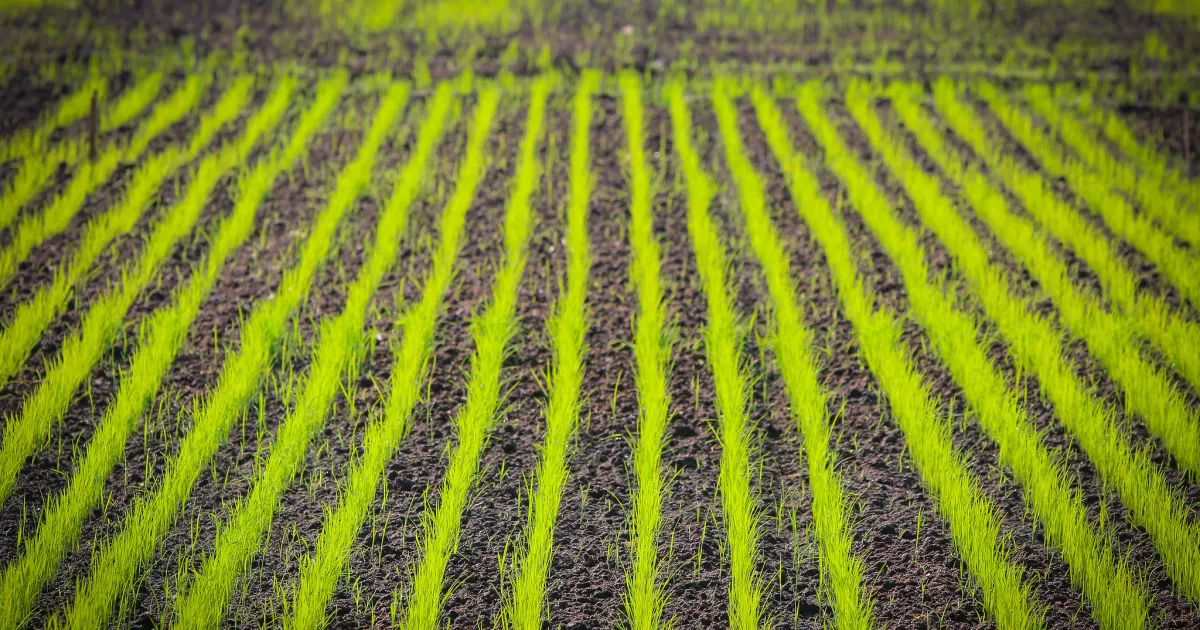
CONTEXT : Direct Seeded Rice (DSR) has gained renewed attention in 2026 as India intensifies efforts to promote water-efficient and climate-resilient rice cultivation. Recent developments include:
- The International Rice Research Institute (IRRI) announced the release of two new rice varieties specifically developed for dry Direct Seeded Rice systems, aimed at maintaining yields while reducing water and labour requirements.
- The Food and Agriculture Organization (FAO) highlighted DSR at a national symposium in Punjab as a key technology for water conservation, lower greenhouse gas emissions, and sustainable rice production.
- Punjab expanded DSR cultivation by 16% during the 2026 Kharif season, covering about 3.41 lakh acres with nearly 26,900 farmers adopting the technique.
What is Direct Seeded Rice (DSR)?
Direct Seeded Rice is a cultivation method in which rice seeds are sown directly into the field, instead of transplanting nursery-grown seedlings into puddled fields.
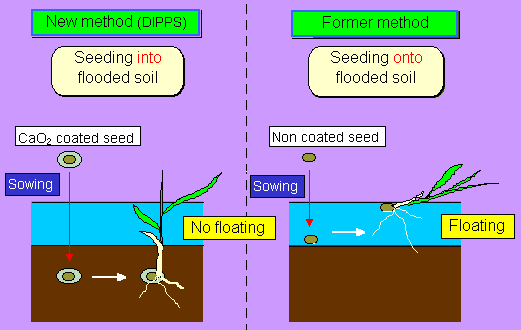
Advantages
- Saves 15–30% (or more) irrigation water.
- Reduces labour and cultivation costs.
- Lowers methane emissions due to reduced flooding.
- Enables timely sowing of the succeeding crop.
- Supports climate-smart and resource-efficient agriculture.
Challenges
- Greater weed infestation requiring effective weed management.
- Depends on timely irrigation or rainfall.
- Requires precision land levelling and suitable machinery.
- Yield may decline if agronomic practices are not followed properly.
Prelims Fact: DSR is considered a key strategy for reducing groundwater depletion in north-western India, especially in Punjab and Haryana, while supporting sustainable rice production.
UPSC Relevance
- GS Paper III: Agriculture, water conservation, climate change, sustainable farming.
- Prelims: DSR method, benefits, recent policy initiatives, and climate-resilient agriculture.
#UPSC